Hi there,
This week was less about shiny new model launches and more about who sets the rules for how AI can be used. The biggest development came from a policy clash in Washington. In parallel, several practical tools showed how fast AI software is becoming easier to use in day-to-day workflows.
📃 In this Monday Morning Mashup:
⭐Highlight: Anthropic blacklist + OpenAI’s Pentagon response
🤖AI: EdgeQuake improves document search quality
🔧Tools: NanoClaw takes a safety-first approach to assistants
📱Automation: PhoneClaw brings AI task automation to Android
Have a great week!
⭐Highlight: The Anthropic dispute shows AI policy is now a contract issue
The US government moved to phase Anthropic out of federal systems after a disagreement about two safeguards: no mass domestic surveillance and no fully autonomous weapons. Anthropic says these limits were narrow, had not disrupted active missions, and that it will challenge the decision in court.
Shortly after, OpenAI announced a Pentagon agreement and said it includes similar principles. The bigger takeaway is this: the future of AI safety may depend as much on procurement contracts and legal wording as on technical capability.
OpenAI announces Pentagon deal after Trump bans Anthropic
NPR’s timeline of the government action, Anthropic’s response, and OpenAI’s same-day Pentagon announcement.
Statement from Dario Amodei on our discussions with the Department of War
Anthropic’s primary-source explanation of its two non-negotiable restrictions and legal position.
🤖AI: EdgeQuake aims to make AI search answers more reliable
raphaelmansuy/edgequake addresses a common frustration: AI systems that retrieve relevant text, but miss the relationship between key ideas. Instead of relying on one search method, it combines semantic search with a knowledge-graph approach, which helps with more complex questions.
Its latest release also improves handling for difficult documents, including scanned PDFs and complex layouts. That matters for legal, research, and enterprise use cases where clean text data is the exception, not the rule.
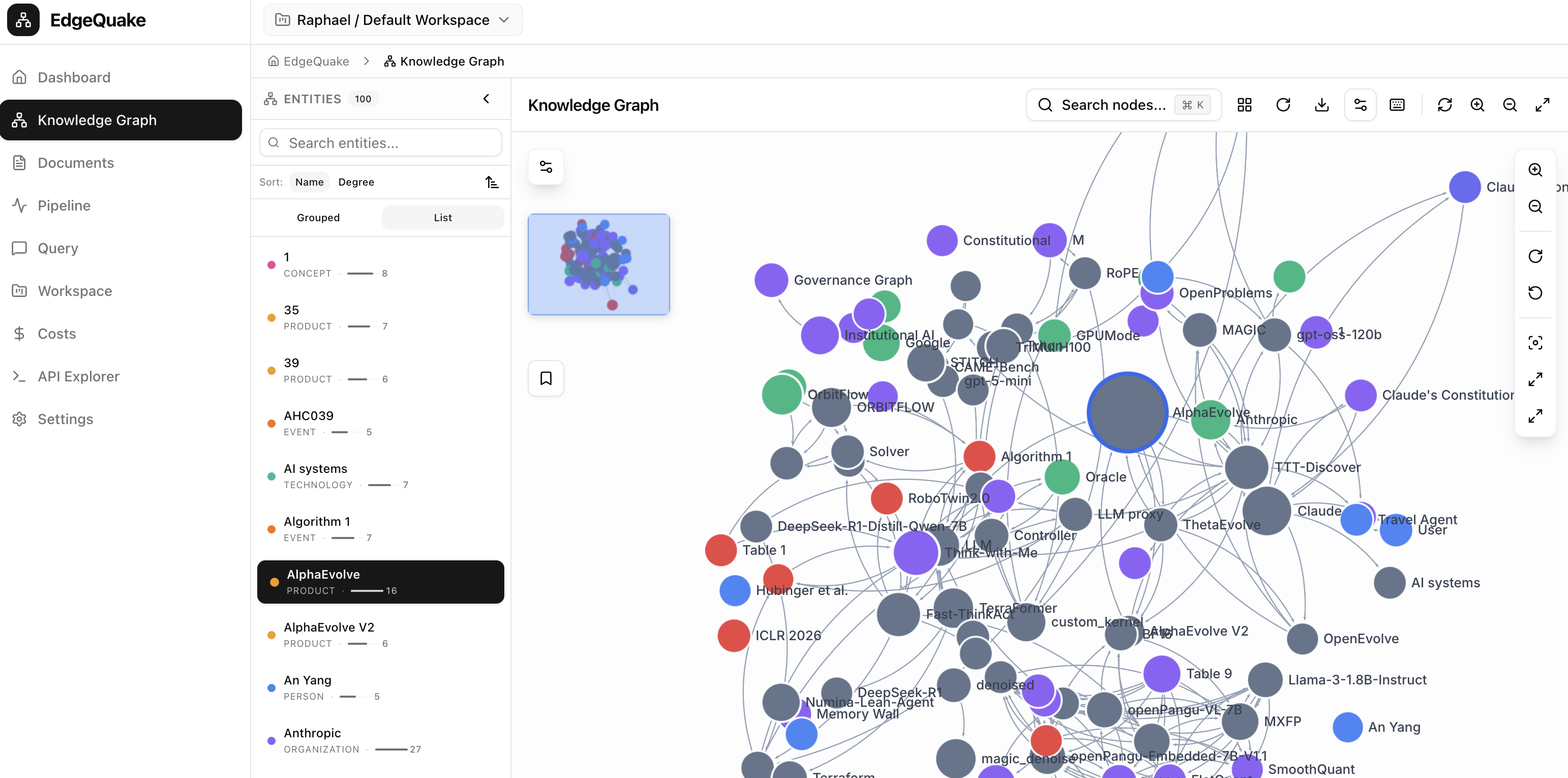
An open-source framework designed to improve AI retrieval quality by combining text similarity with relationship-aware search.
🔧Tools: NanoClaw puts safety boundaries at the center
qwibitai/nanoclaw is built around a simple promise: make AI assistants useful without giving them unchecked system access. Its design isolates tasks in separate containers, which reduces the blast radius if something goes wrong.
For non-specialists, this is best viewed as an early example of “safer by design” AI tooling. As these assistants become more capable, architecture choices like isolation are likely to matter as much as feature lists.
An open-source assistant framework focused on security boundaries, customization, and practical automation.
📱Automation: PhoneClaw explores AI-driven task automation on phones
rohanarun/phoneclaw focuses on automating repetitive phone workflows on Android without requiring device root. In plain terms, it is trying to turn common multi-step actions into reusable automated flows.
If this category matures, it could broaden AI adoption beyond laptops and browsers. For many people, the phone is the main computer, so mobile-first automation may become an important part of mainstream AI use.
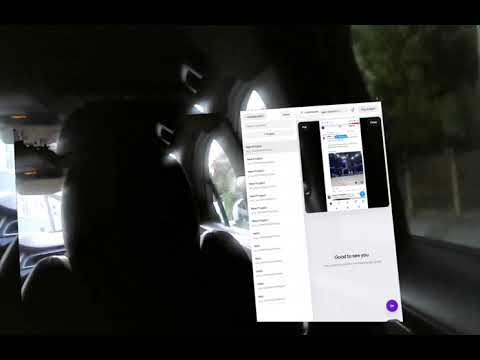
An Android automation project that combines interface understanding with scripted task execution.
⚡Quick Hits
Qwen3.5-35B-A3B-4bit discussion on Reddit - Community testing focused on local performance trade-offs, prompt-tuning stability, and hardware constraints for 4-bit deployment.
reddit.com
f/prompts.chat - Open-source prompt library now positioned as a full prompt ecosystem with self-host options and multiple export formats.
github.com
Have a great week!